Introduction
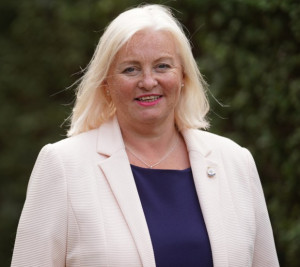 This review of veteran employment revisits a subject that has rightly commanded sustained attention over many years. Previous Scottish Veterans Commissioners have provided detailed and thoughtful analyses, helping to shape both policy and practice. It seems fitting to return to this issue at a time when meaningful progress has been made, while also recognising that the landscape continues to evolve.
Service leavers, veterans and their families make a significant and positive contribution to Scotland’s economy and society. The skills, experience and values developed through military service translate into a highly capable and resilient workforce. Employers across a range of sectors increasingly recognise these strengths: leadership, teamwork, problem-solving, and a strong work ethic are qualities that consistently add value in civilian employment. Spouses and partners, too, often demonstrate exceptional adaptability and resourcefulness, building careers alongside the demands of Service life and contributing further to economic growth.
At the same time, it is essential to acknowledge that not all transitions are straightforward. For those who are injured or ill, have other support needs and for bereaved families, additional and tailored support may be required to enable access to meaningful and sustainable employment opportunities. Ensuring that such support is available, responsive and effective must remain a central priority.
This report highlights examples of good practice and notes the progress achieved since the first comprehensive review in 2016. There is much to commend: improved collaboration between government, employers and the third sector; enhanced awareness of the value of the veteran workforce; and more structured pathways to employment. These developments reflect a growing commitment to ensuring that those who have served are supported to thrive beyond their military careers.
Nevertheless, there is more to be done. The modern workplace is changing at pace, driven by technological advancement, shifting skills demands and wider global instability. These factors present both challenges and opportunities. They underline the importance of ensuring that services, support systems and employers remain agile and forward-looking. Equally, veterans themselves must continue to be supported to adapt, upskill and navigate this changing environment.
Happily, however, flexibility and adaptability are already among the defining strengths of the veteran community. These qualities, forged through experience, will continue to serve veterans well – and, in turn, will remain of immense benefit to Scotland as a whole.