Armed Forces Talent Programme, NHS Scotland
 The Armed Forces Talent Programme (AFTP), developed for NHS Scotland, is designed to support all members of the Armed Forces community into careers within the NHS workforce. This includes veterans and Service leavers as well as partners, spouses, dependants, and wider military families. By recognising the breadth of experience across the community, the programme takes an inclusive approach to strategic workforce development.
The initiative is rooted in the understanding that the Armed Forces community represents a significant and underutilised talent pool. Individuals connected to military life often possess highly transferable skills, including resilience, adaptability, and a strong focus on achieving outcomes. The programme creates an opportunity for these individuals to continue contributing to public service while supporting NHS Scotland in addressing workforce challenges.
The programme focuses on preparing individuals for success rather than acting solely as a recruitment pipeline. It provides information about the wide range of roles available within the NHS, offers guidance on navigating recruitment processes, and supports candidates in strengthening applications. In addition, it delivers direct entry initiatives such as paid placements and ‘look at life’ experiences, enabling individuals to gain insight into NHS working environments before applying.
In place since 2022, the programme operates across all areas of NHS Scotland and includes engagement with hiring managers to improve understanding of the Armed Forces community and its potential contribution. A defining feature of the programme is its tailored approach. Individuals who register their interest provide information that allows support to be aligned with their personal circumstances, skills, and career aspirations. While still developing, the ambition is to enhance this personalised support further.
Support is delivered through webinars, application workshops, and interactive sessions, alongside opportunities for direct engagement with programme staff and subject matter experts. Collaboration with partner organisations plays a key role in promoting the programme and connecting individuals with relevant opportunities.
Initial outcomes have been positive. Participants from paid placement initiatives have moved into longer-term roles, and there has been an increase in successful applications from the Armed Forces community. Additionally, hiring managers report improved awareness of transferable skills and better alignment between candidates and roles.
A key lesson from the programme is the importance of precision. Individuals within the Armed Forces community have diverse experiences and aspirations, and tailored support is more effective than generic approaches. The programme continues to evolve through evaluation, feedback, and collaboration, with a focus on strengthening what works and refining areas for improvement. Meaningful and sustained investment in tailored pathways delivers far greater impact than superficial efforts, benefiting both individuals and the organisation.
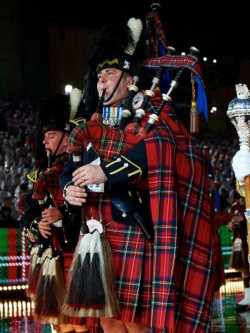 Jason Bruce, who is now a Project Support Officer with Public Services Delivery Scotland, was drawn to the role because he felt that the values of the NHS closely mirrored his own and that AFTP offered a supported pathway that recognised both his experience and potential. Jason had joined the Army at 16 and served for 23 years, working across a wide range of roles. His decision to leave after more than 2 decades of service was not planned but was the result of being medically discharged. He notes that “While this was a challenging and unexpected transition point, it also gave me the opportunity to reflect on how I could continue to serve in a meaningful way outside of uniform. Although my military career ended earlier than I would have anticipated, my commitment to service, teamwork, and making a positive difference remained unchanged”.
Jason was surprised by the pace and ambiguity of his new workplace. He notes: “In the military, processes and responsibilities are usually very clear. In civilian environments, decision making can be slower and more consensus driven, which took some adapting to, but it also encouraged me to develop my influencing and communication skills.” He adds that he found peer support to be invaluable, and conversations with other veterans who had already transitioned helped normalise the challenges.
Jason is clear that the skills and experience he gained in Service have been valuable. “Organisation, discipline, teamwork, and the ability to remain calm under pressure have been directly transferable,” he explains, adding: “I’m also comfortable taking ownership, managing competing priorities, and supporting senior leaders. All skills developed through military Service and my civilian experience in senior management positions.”
Looking back, Jason wishes he had known that feeling uncertain is normal and that progress doesn’t have to be immediate. He says, “Transition is a process, not an event, and it’s okay to take time to find the right fit”. He is looking forward to continuing to grow professionally while maintaining balance in his personal life.